Do Walking Canes Actually Prevent Falls? What the Research Says
A walking cane can lower your risk of falling. But only if it fits you and you use it correctly.
Falls are the leading cause of injury death for adults over 65. About one in four older Americans falls every year, according to the CDC.
Here is the part most cane guides skip. By one widely cited estimate, around 70% of canes are the wrong height or used incorrectly. A poorly set cane can make your balance worse, not better.
What a cane actually does for balance

A cane gives you a third point of contact with the ground. That widens your base of support and steadies your stride.
It also shares the load. Used well, a cane can carry up to about a quarter of your body weight off a sore or weak leg.
Used correctly, a cane turns two points of contact into three, and that extra base is what stops a stumble from becoming a fall.
There is a sensory bonus too.
Feeling the ground through the cane helps your brain place your feet.
Why the wrong cane backfires
This is the half of the story that rarely gets told. A cane only helps if three things are right: its height, your technique, and its tip.
- Wrong height. Too tall and you hike your shoulder and lean. Too short and you hunch forward. Both steal stability.
- Wrong technique. Holding the cane on the weak side, or moving it with the wrong leg, cancels the support.
- Worn tip. A smooth, bald rubber tip slides on hard floors instead of gripping.
The research backs this up. A 2020 study found that cane length changes how much older adults sway while standing, and more sway means less stability.
An ill-fitting cane is not a safety net. It is a trip hazard you lean on.
Get the three things right
The good news is that all three fixes are quick and free or cheap.
- Height. The top of the cane should reach your wrist crease when you stand tall, leaving a slight elbow bend. Our cane height guide and calculator sets it in a minute.
- Technique. Hold the cane on your stronger side and move it forward with your weaker leg. See how to use a cane for the full method.
- Tip. Replace a worn rubber tip the moment the tread smooths out. Check it a few times a year.
When a cane is, and is not, enough
A cane suits mild to moderate balance trouble, not every situation. It shines when one leg needs support or your confidence has dipped.
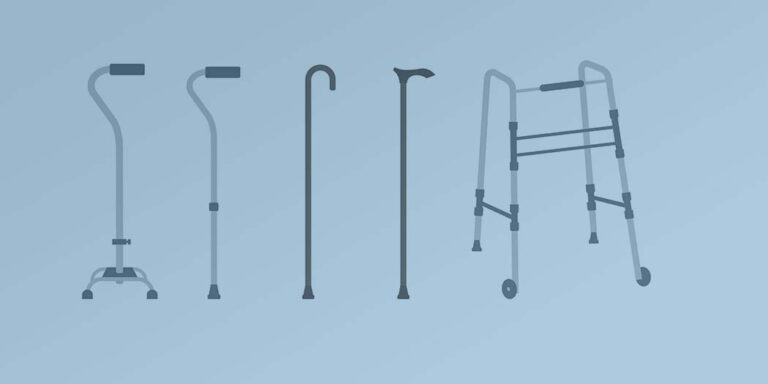
If you feel unsteady even with a cane, you may need more. A walker or rollator gives a wider, sturdier base, as we explain in cane or walker: which is better.
A physical therapist can watch you walk and fit the right tool. That single visit is often covered and well worth it.
The bottom line
The evidence is clear. Canes do help prevent falls, but the benefit lives or dies on fit and technique.
So check your three things this week: height, hand, and tip.
Each takes only minutes.
Get them right and a cane keeps you steady and independent. Get them wrong and it quietly works against you. When you are ready to choose one, our guide to walking canes walks through handle, height, and tip choice.