Should I Use a Cane for Back Pain? Read The Benefits!
Short answer: For some people with back pain, a walking cane can take load off the spine, improve balance, and make it easier to keep moving. It is a support aid, not a treatment. If you have back pain, see a doctor or physical therapist first. They can find the cause, rule out anything serious, and make sure you get the right cane and learn to use it correctly.
Reader-supported: if you buy through links on this page we may earn a small commission, at no extra cost to you.
How a cane can help with back pain
A cane does not fix back pain. But used correctly, it can make daily movement more manageable. Here is how.
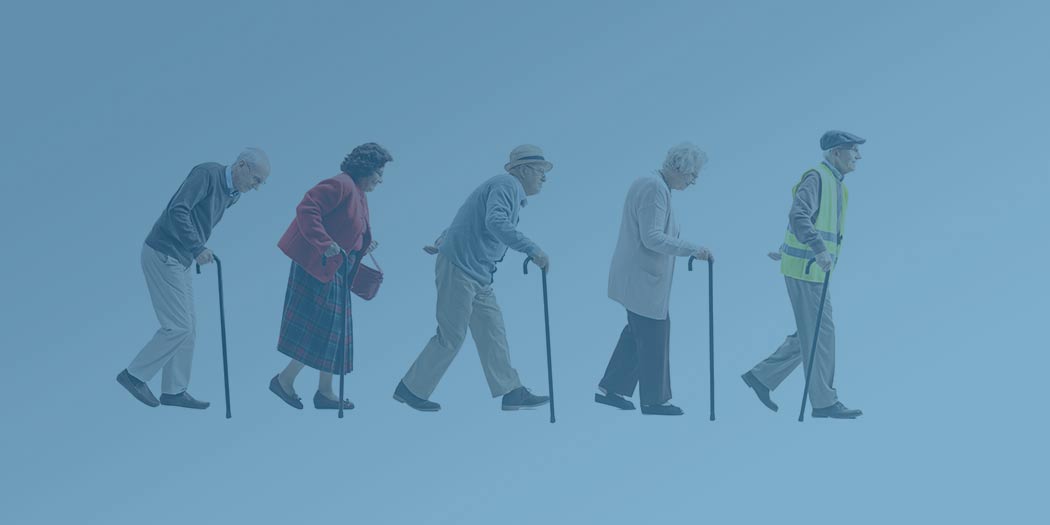
- Reduces load on the spine and joints. When you press down on a cane, some of your weight transfers through the cane to the floor. This can take pressure off the lower back, hips, and knees with each step.
- Supports better posture. Many people with back pain instinctively lean or twist to favor one side. A cane gives you a steady point of contact that can help you stand more upright and move more evenly.
- Keeps you moving during recovery. After surgery or a flare-up, gentle movement is often part of getting better. A cane can give you enough confidence to walk short distances when you might otherwise sit still. Staying active, at whatever level your doctor allows, is usually better than rest alone.
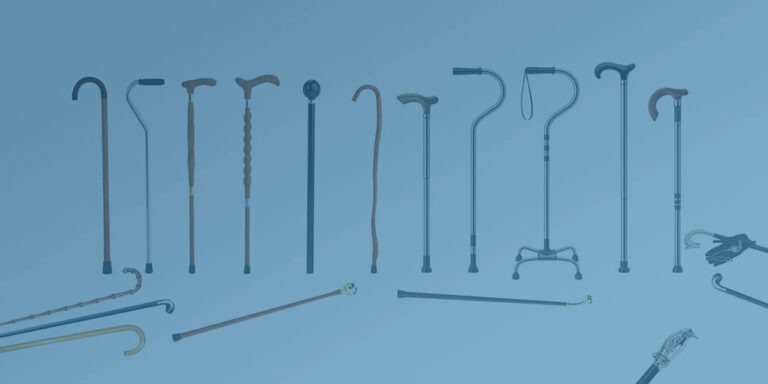
If you are looking at options, you can browse our guide to the best walking canes for a range of needs and budgets.
Compare walking canes on Amazon
Getting the height and use right
This part matters a lot. A cane at the wrong height can actually make back pain worse, not better. If the cane is too short, you will hunch over. Too tall, and you will push your shoulder up and pull your back out of line.
Our article on the right cane height walks you through how to measure correctly. The short version: stand in your normal shoes and let your arm hang relaxed at your side. The top of the cane should reach your wrist crease.
The other common mistake is holding the cane on the wrong side. For back pain or hip pain, hold the cane in the hand opposite the side that hurts most. This feels counterintuitive, but it lets your body share weight more naturally with each step.
Our guide on how to use a cane covers the correct technique in plain steps, including how to manage stairs.
When to see a professional
A cane is not the right first step for every situation. Some back pain needs medical attention, not a mobility aid.
Talk to a doctor or physical therapist if you have any of the following:
- Severe pain that is getting worse, not better
- Pain that came on suddenly without an obvious cause
- Numbness, tingling, or weakness in your legs or feet
- Pain that wakes you up at night
- Any loss of bladder or bowel control
A physical therapist can also show you exactly how to use your cane for your situation. That fitting visit is worth the time.
If your balance or pain has reached the point where a cane does not feel like enough support, it may be worth reading about whether a cane or a walker would suit you better.
Frequently asked questions
Which hand should I hold the cane in for back pain?
Hold it in the hand opposite the side that hurts most. If your lower back pain is worse on your left, hold the cane in your right hand. This helps your body share the load more evenly as you walk.
Can a cane make back pain worse?
Yes, if the height is wrong or you hold it on the wrong side. A cane that is too short makes you lean forward, which puts more strain on your lower back. Getting the fit right matters as much as using the cane at all.
Should I use a cane all the time, or only when pain flares?
That depends on your situation. Some people use a cane only on harder days or longer walks. Others need it consistently. Your doctor or physical therapist can give you guidance based on what is causing your pain.
The bottom line
A walking cane can reduce the load on your spine, help you stand and walk more upright, and give you the stability to stay active while your back recovers. Many people find it genuinely helpful.
But it is a support tool, not a solution. See a doctor or physical therapist to understand what is causing your pain and whether a cane is right for you. If it is, getting the height right and learning to hold it correctly will make a real difference.