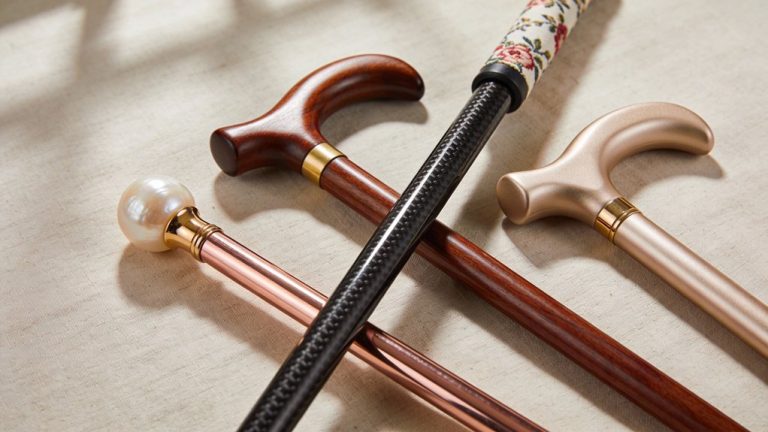
Tips for Choosing a Bariatric Cane
A standard cane is built for people up to around 250 to 300 pounds. A bariatric cane is built heavier, with a reinforced shaft and a higher weight rating. Using a cane rated well above your weight means it feels solid underfoot and is far less likely to flex or fail. If you have been leaning on furniture or walls for support, a heavy-duty cane gives you a safer, steadier alternative.
The single most important rule: buy a cane rated well above your body weight, not right at it.
Reader-supported: if you buy through links on this page we may earn a small commission, at no extra cost to you.
Choosing well also means thinking about the base, the handle, and the height. This guide covers what to look for and shares two solid picks. For a broader comparison, our guide to the best walking canes is a good starting point.
What makes a cane bariatric?
The word “bariatric” means the cane is designed for higher body weights. A standard aluminum cane holds around 250 to 300 pounds. A bariatric version is built from heavier-gauge aluminum or steel and is rated for significantly more. The shaft is thicker, and the joints and tip are reinforced. Some bariatric canes use a quad base, which has four small feet instead of one rubber tip. That wider footprint adds stability on uneven ground and when you stand up.
Bariatric canes are not only for very large people. Anyone who finds a standard cane flexing under their weight or feeling wobbly will benefit from a heavy-duty model.
What to look for
Weight capacity
This is the non-negotiable part. Pick a cane rated at least 50 to 100 pounds above your current weight. That buffer keeps the cane performing well as you lean into it and gives you a margin of safety. Check the product label or listing carefully. If a weight limit is not clearly stated, keep looking.
Base type
A single-tip cane moves naturally with your stride. A quad cane has four feet and stands on its own when you let go. For heavier users who need extra stability, a quad base is often worth it, especially if you feel unsteady shifting your weight or rising from a chair.
Handle shape
An offset handle positions your hand directly over the shaft. That puts your weight in line with the cane and reduces wrist strain. Wider or contoured handles are easier to grip for longer periods and suit larger hands. Avoid thin handles if gripping them causes discomfort.
Material
Reinforced aluminum is the standard for bariatric canes. It is light enough to carry all day but rigid enough to handle real weight. Some models use steel, which is heavier but very durable. Either works well. Avoid any cane described only as “lightweight aluminum” with no weight capacity listed.
Height adjustment
A cane set to the wrong height puts strain on your shoulder and wrist. Your elbow should bend very slightly when you hold the handle with your arm at your side. Most bariatric canes adjust in small increments. Our page on the right height walks through how to measure. Ask a physical therapist if you are unsure.
Our heavy-duty picks
Nova Heavy Duty Cane with Offset Handle
This cane is built for a high weight capacity, with a heavy-gauge aluminum shaft and a wide, contoured offset handle that sits comfortably in a larger hand. The height adjusts across a generous range, and the sturdy rubber tip gives good traction on most floors. Check the listing for the exact weight rating before you buy.

Drive Medical Heavy Duty Quad Cane
Drive Medical is a well-known name in mobility aids, and this heavy-duty quad cane has a four-footed base that stands on its own and adds real stability for users who need support while rising or shifting weight. The offset handle is cushioned and sized for a firm, comfortable grip. Confirm the weight rating on the listing matches your needs.

Frequently asked questions
How much weight can a bariatric cane hold?
Most standard canes are rated for 250 to 300 pounds. Bariatric canes are typically rated higher, often in the 400 to 500 pound range, though exact limits vary by model. If your weight is anywhere near the limit of a standard cane, a bariatric model will feel noticeably more solid. When in doubt, choose a higher rating than you think you need and confirm it on the product listing.
Is a quad cane better for heavier users?
It depends on why you need a cane. A quad base gives more contact with the floor and stands upright on its own, which helps if you feel unstable when stopping or getting up. It is heavier and does not swing as naturally as a single-tip cane during a normal stride. Many heavier users find the extra stability worth the trade-off. Talk to a physical therapist if you are not sure which base suits you.
Bottom line
A bariatric cane is a straightforward upgrade that makes a real difference. Choose one rated comfortably above your weight, pick a handle that fits your hand, and get the height right. Both picks above are solid heavy-duty options. For more choices across styles and budgets, see our full roundup of the best walking canes, and if you want the extra stability of four feet, our guide to quad canes goes deeper.