The Benefits of Walking Stick or Walking Cane for Elderly
A walking cane can improve your balance, take pressure off sore joints, and help you stay active and independent. It is also often a sign of good judgment, not weakness. Below you will find the clear benefits of using a cane, plus the signs that it might be time to start using one.
A fair question is whether canes truly help. We weighed the evidence in do walking canes actually prevent falls.
Reader-supported: if you buy through links on this page we may earn a small commission, at no extra cost to you.
Signs it might be time for a cane
Many people wait longer than they should. If any of the following sounds familiar, a cane is worth talking about with your doctor or physical therapist.
- You feel unsteady or off balance when you walk, especially on uneven ground or in dim light.
- You have had a fall or a near-fall. One fall is a warning. Two is a pattern worth acting on.
- You reach for furniture or walls to steady yourself as you move through a room.
- You have pain in a hip, knee, or leg when you walk, and you find yourself favoring one side.
- You tire quickly on your feet and cut walks short because of discomfort or instability.
- A doctor or physical therapist has suggested one. That recommendation is worth taking seriously.
If you are not sure whether a cane is right for you, or you are wondering whether a cane or a walker would suit you better, a physical therapist can help you decide.
The benefits of using a walking cane
A cane does more than just prop you up. Used correctly, it can make a real difference to how you feel and how much you are able to do each day.
- Better balance and stability. A cane gives you a third point of contact with the ground. That extra contact point can help your body stay steady, especially on stairs, ramps, or slippery surfaces.
- Less load on painful joints. Many people find that shifting some weight onto a cane takes pressure off a sore knee or hip. That can mean less pain with each step.
- More confidence, so you keep moving. Fear of falling is real, and it leads many people to stay home when they would rather be out. A cane can help restore that confidence. Staying active is one of the best things you can do for your long-term health.
- Greater independence. People who use a cane often report being able to do more on their own, from walking to the mailbox to joining family outings. Independence matters.
- Reduced fall risk when fitted and used correctly. A properly fitted cane, used the right way, can help lower fall risk. The key words are “fitted and used correctly,” which is why getting the setup right matters so much.
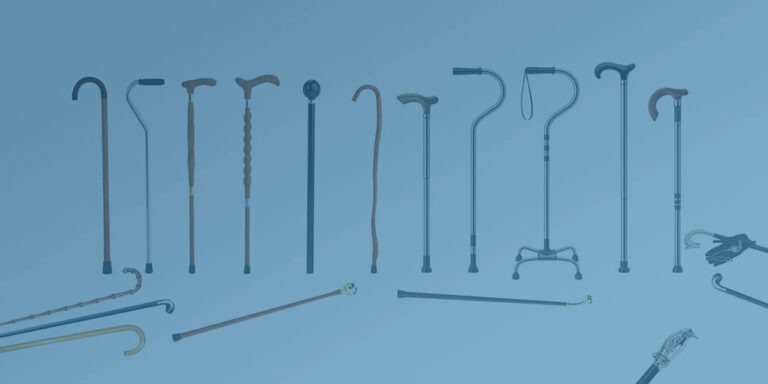
If you are still deciding which style suits you, our guide to the best walking canes covers the main types with plain-language comparisons.
Compare walking canes on Amazon
Getting the most from your cane
A cane that is the wrong height or held in the wrong hand can actually make things harder. Two things matter most.
First, height. When you stand upright with your arms at your sides, the top of the cane should reach your wrist crease. Too tall and you hunch. Too short and you lean too far. Our detailed guide to the right height walks you through the measurement step by step.
Second, which hand. Hold the cane on the opposite side from the leg that bothers you. So if your right knee hurts, hold the cane in your left hand. This mirrors the way your body naturally shifts weight as you walk. Our full guide on how to use a cane covers grip, stride, and how to handle stairs safely.
Frequently asked questions
Will using a cane make me weaker over time?
This is a common worry, and it is understandable. The short answer is no, not if you use it as a support tool rather than leaning on it for everything. Many physical therapists recommend using a cane alongside gentle strengthening exercises. A cane helps you stay active, and staying active keeps you strong. Avoiding activity out of fear of falling is more likely to lead to weakness than using a cane is.
Which hand should I hold the cane in?
Hold it on the opposite side from your weaker or more painful leg. If your left hip is the problem, hold the cane in your right hand. Move the cane and your affected leg forward together. This is the natural pattern your body uses when walking. If you are unsure, ask a physical therapist to watch you walk and give feedback.
Is it better to start using a cane sooner or later?
Sooner is usually better. Starting before a serious fall happens gives you time to learn good technique while you are not already injured or shaken. It also means you get the balance and pain-relief benefits earlier. Many people say they wish they had started using one a year or two before they actually did.
The bottom line
A walking cane is a practical tool. It can help with balance, ease joint pain, lower fall risk, and keep you doing the things you want to do. Reaching for a cane when you need one is not giving in. It is choosing to stay safe and active on your own terms.
If the signs in this article sound familiar, it is worth a conversation with your doctor or physical therapist. And when you are ready to choose a cane, our guide to the best walking canes is a good place to start.