4 Tips on How to Choose a Cane
The best walking cane fits your hand, your height, and your daily life. Getting those three things right matters far more than price or looks. A cane that is the wrong height, hurts your grip, or wobbles on uneven ground can do more harm than good. This guide walks you through every decision, and covers the most common buying mistakes so you can avoid them.
Reader-supported: if you buy through links on this page we may earn a small commission, at no extra cost to you.
Match the cane to your needs
Not every cane is built for the same situation. Starting with your specific need saves a lot of frustration later. There are several types of canes, and knowing which one fits your situation is the first step.
- General balance support. A standard single-tip cane works well if you feel slightly unsteady but can bear weight on both sides.
- One-sided weakness. If one leg or hip is weaker, hold the cane on the opposite side. It helps move weight away from the weaker leg.
- Recovery after surgery or injury. You may need more stability than a single tip provides. A quad cane or a rollator walker might be the better choice during this period. Talk to your physical therapist before deciding.
- Travel and light use. A foldable cane packs into a bag easily. Just make sure it locks firmly when open and does not wobble at the joint.
Browse the best walking canes we have reviewed if you want a shortlist of options across these categories.
Compare walking canes on Amazon
Handle type
The handle is what you hold all day, so comfort is everything here. Do not choose based on appearance alone.
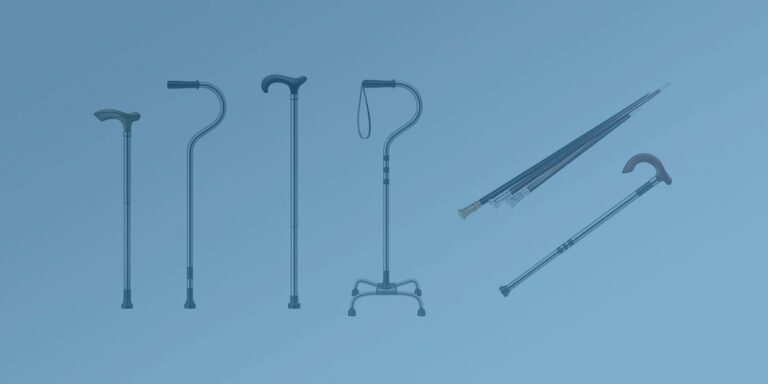
- Offset handle. The shaft is set back under your wrist rather than directly below the grip. This spreads weight across the palm and reduces wrist strain. It is a solid choice for everyday use.
- Orthopedic or ergonomic handle. Shaped to fit the contours of the hand. Good for people with arthritis or grip weakness. These come in left-hand and right-hand versions, so check before you buy.
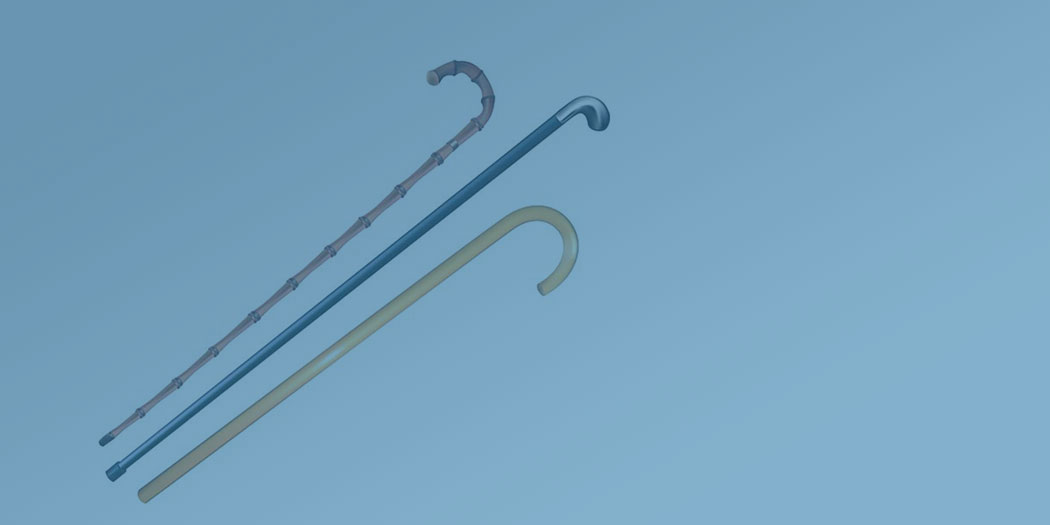
- Crook handle. The classic curved top. Easy to hang on a chair or counter. Less supportive for people with hand pain because all the pressure goes through the palm edge.
If you have any hand pain, numbness, or arthritis, lean toward an offset or ergonomic handle. A few minutes of discomfort during a store test becomes hours of discomfort at home.
Tip and base
The tip is the only part of the cane that touches the ground. It deserves more attention than most people give it.
- Single rubber tip. Lightweight, works on most indoor and outdoor surfaces. The rubber wears down over time. Replace it when you see the rubber thinning or cracking.
- Quad base. Four small feet instead of one. More stable on uneven ground or when you need to pause and let go. A quad cane is worth considering if you feel the single tip shifting under you.
A worn tip is slippery and dangerous. Replacement tips cost a few dollars and take seconds to swap out. Check yours every few months.
Height and weight capacity
Correct height is one of the most important factors in cane comfort and safety. A cane that is too tall or too short throws off your posture and makes you work harder with every step.
A simple rule: stand upright in your usual walking shoes, let your arms hang naturally, and measure from the floor to your wrist crease. That measurement is your cane height. For more detail, read our guide on the right height for a walking cane.
Most adjustable canes cover a wide range and are the easiest choice for most people. Fixed-height canes are lighter but require a precise measurement before you buy.
Also check the weight capacity rating on the label or product page. Most standard canes support 250 to 300 pounds. Some heavy-duty models go higher. Using a cane beyond its rated capacity is a safety risk, so match the rating to your actual weight.
Common mistakes to avoid
These are the errors that show up again and again. Most are easy to avoid once you know what to watch for.
- Buying the wrong height. A cane that is even an inch off can cause shoulder pain and poor balance. Measure first, buy second.
- Choosing a handle that hurts the hand. A crook handle is fine for light use but painful for people with arthritis or a weak grip. Test the handle before committing.
- Ignoring the weight capacity. It is easy to overlook this number. Check it every time, especially with a slim or decorative cane.
- Picking style over function. A cane that looks good in the store but wobbles, slips, or strains your wrist is not a good cane. Function first, then looks.
- Choosing a heavy cane you will not carry. Heavier materials can feel solid, but if the cane tires your arm, you will leave it behind. A cane you do not use helps no one.
- Using a worn or cheap tip. A slick tip on a smooth floor is a fall waiting to happen. Check the tip regularly and replace it when it shows wear.
Frequently asked questions
Which hand should I hold the cane in?
Hold the cane on the opposite side from your weaker leg. So if your left knee or hip is the problem, hold the cane in your right hand. This helps shift weight off the affected side with each step. If you are unsure, ask your doctor or physical therapist before the habit sets in.
How do I know if a cane is enough, or if I need a walker?
A cane is usually enough when you need light balance support or have weakness on one side. A walker offers more support for both sides and is better after major surgery or when balance is significantly affected. Our guide on a cane or a walker covers this in detail, and your physical therapist can make the final call.
The bottom line
A good cane comes down to three things: correct height, a comfortable handle, and a tip that grips the surface. Get those right and the rest follows. Avoid the temptation to choose on price or appearance alone. A cane that fits your hand and your life is the one you will actually use.
If you are ready to shop, our roundup of the best walking canes covers tested options across different needs and budgets.